
Top SEO Services in USA: How to Choose the Best SEO Company for Your Business Growth
Search-driven discovery in the USA depends on targeted SEO services that increase visibility, organic traffic, and qualified leads for businesses of all sizes. This article explains what professional seo services in usa encompass, why they matter for U.S. markets, and how to evaluate providers so you pick an SEO company that aligns with your growth goals. Many businesses struggle to translate search visibility into measurable revenue because they lack a clear strategy, technical foundation, or content approach; this guide fixes that by mapping services to outcomes and procurement steps. You will learn core service categories, how agencies differ by business size, realistic pricing models, targeted local SEO tactics, current trends including AI and E-E-A-T, and how to present ROI with persuasive case studies. Each section includes practical checklists, comparison tables, and tactical recommendations to help you choose the right USA SEO agency or consultant and measure their impact effectively.
What Are Professional SEO Services and Why Are They Essential in the USA?
Professional seo services in usa are integrated programs that optimize websites and digital assets to rank higher in search engines, attract relevant organic traffic, and convert visitors into customers. These services work by aligning technical site health, content relevance, and authoritative backlink signals with the search intents of U.S. audiences, producing measurable increases in impressions, clicks, and conversions. For U.S. businesses competing in local, regional, or national search markets, professional SEO reduces customer acquisition cost and improves long-term domain value through compounding organic gains. The following list outlines the primary service categories most agencies provide and why each matters for American market dynamics.
- Technical SEO: Improves crawlability, Core Web Vitals, and structured data to ensure search engines index and surface the site correctly.
- On-page & Content Optimization: Aligns pages to keyword intent and user needs, raising relevance for target queries.
- Off-page / Link Building: Builds topical authority and referral signals that influence rankings across competitive U.S. verticals.
These components work together to deliver sustained visibility: technical fixes enable content to rank, content attracts users, and backlinks amplify trust. Understanding those roles leads into how specific actions affect rankings and measurable KPIs.
How Do SEO Services Improve Online Visibility and Rankings?
SEO services improve online visibility by diagnosing site issues, targeting user intent with keyword strategies, and executing content plus link programs that shift ranking signals over time. A standard workflow begins with a technical site audit to identify crawl errors and performance bottlenecks, followed by keyword mapping to prioritize pages that match commercial or informational intent, and then content and link-building campaigns to close gaps. Metrics that typically move include impressions, organic clicks, average position, click-through rate (CTR), and ultimately conversion rate; monitoring these metrics allows teams to attribute improvements to specific interventions. For example, fixing Core Web Vitals and mobile responsiveness often yields measurable CTR and ranking improvements within weeks, while content and backlink gains compound over months. Understanding this sequence — audit, prioritization, execution, measurement — clarifies why consistent SEO investment produces durable organic growth and prepares the reader for selecting provider models that can execute it.
What Key Components Make Up Comprehensive SEO Services?
Comprehensive SEO services combine distinct technical, content, and authority-building activities into a unified program that targets rankings and business outcomes. Technical SEO includes site architecture, crawl budget management, schema markup, and Core Web Vitals optimization to ensure search engines can access and evaluate content. Content and on-page optimization cover keyword research, topical content creation, metadata optimization, and internal linking to satisfy search intent and support conversion pathways. Off-page strategies focus on ethical link building, partnerships, and digital PR to increase domain authority, while local SEO and e-commerce SEO address region-specific and transactional signals respectively. Reporting, analytics, and continuous experimentation complete the package by turning insights into prioritized action. These components form a practical roadmap for buyers to match services to needs and prepare for vendor selection, which the next section explains in more depth.
Which Are the Best SEO Companies in USA for Different Business Sizes?
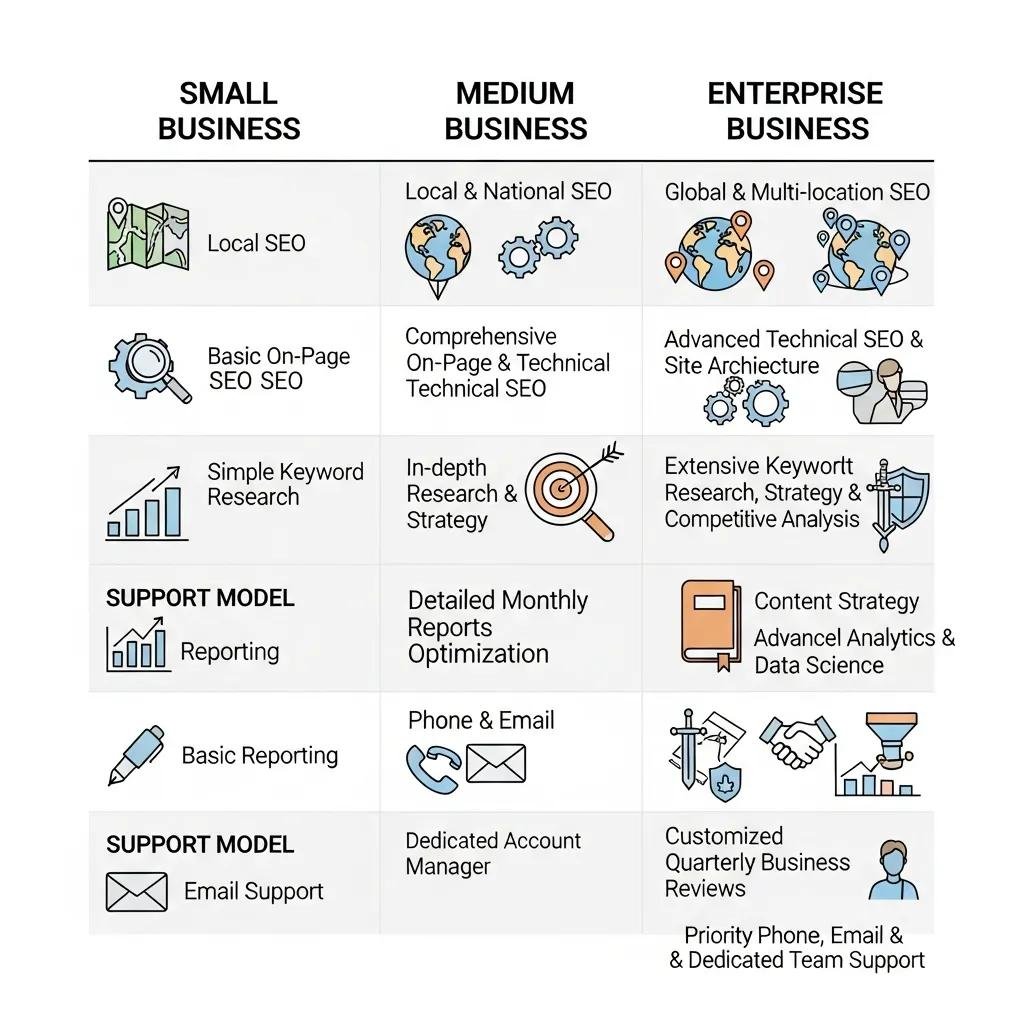
Choosing the best seo company in usa depends on your business size, growth stage, and required specialization; what works for a local storefront differs from enterprise-level platform SEO. Small businesses usually need quick local wins — Google Business Profile optimization, citation cleanup, and focused local content — whereas mid-market companies prioritize scalable content strategies, regional expansion, and conversion optimization. Enterprise organizations require governance, system integrations, and large-scale technical programs to manage thousands of pages and international targeting. Use the comparison below to align provider type with expected deliverables and engagement models as you evaluate candidates.
| Business Size | Recommended SEO Focus | Typical Agency Support Model |
|---|---|---|
| Small business | Local SEO, GBP, citation hygiene, targeted landing pages | Project-based or small monthly retainer with hands-on implementation |
| Mid-market | Content strategy, regional keyword expansion, CRO, link growth | Monthly retainer with dedicated strategist and scalable content ops |
| Enterprise | Technical governance, platform SEO, API integrations, global targeting | Long-term retainer, cross-functional teams, SLAs, and platform engineering support |
This table helps buyers decide which scope matches their needs by clarifying the expected focus and support model for each business size. Next, examine how agencies tailor offerings in real engagements to see differences in timelines and KPIs.
How Do Top SEO Agencies Tailor Services for Small, Medium, and Enterprise Businesses?
Top agencies tailor services by prioritizing different outcomes and resourcing levels according to company scale: small businesses emphasize immediate local traffic and leads, mid-market focuses on sustainable growth and process scaling, and enterprise addresses governance, technical architecture, and cross-system analytics. Timelines vary—local improvements can show impact in 1–3 months, while mid-market content programs typically produce visible gains in 3–6 months and enterprise transformations often require 6–12 months of coordinated effort. KPIs shift accordingly: local footfall and GBP actions for small businesses, organic traffic growth and conversion rate for mid-market, and crawl efficiency, index coverage, and revenue attribution for enterprise. Selecting a partner means matching their case experience and team composition to these priorities so their approach aligns with your expected timeline and ROI.
What Are the Unique Advantages of Hiring a Professional SEO Company in the USA?
Hiring a professional SEO company in the USA delivers process maturity, tool access, and market-specific knowledge that most in-house teams lack, accelerating time-to-value for search initiatives. Agencies bring specialized tools for rank tracking, backlink analysis, and large-scale content operations that reduce experimentation time and surface high-impact opportunities faster. U.S.-focused agencies also understand regional search behavior, regulatory considerations (e.g., healthcare or finance), and competitive landscapes that influence keyword difficulty and content positioning. Additionally, agencies provide scalable resourcing—specialists for technical SEO, content, and outreach—that in-house teams can augment as campaigns expand. Recognizing these advantages clarifies why many organizations choose external expertise to accelerate growth while building internal capabilities.
How Affordable Are SEO Services in USA and What Pricing Models Exist?
SEO services in the USA use several common pricing models—hourly, monthly retainer, project-based, and performance-based—each suited to different buyer needs and risk tolerances. Hourly pricing fits short audits or advisory support, project pricing is common for migrations or one-off technical work, monthly retainers suit ongoing growth programs, and performance-based arrangements tie payment to agreed outcomes. Typical price ranges depend on scope, market competitiveness, and provider sophistication; understanding these ranges helps set realistic budgets.
The comparison below clarifies common approaches and what buyers typically receive at each price level.
| Service Type | Typical Deliverables | Typical Price Range (USD) |
|---|---|---|
| Entry / Local Package | GBP optimization, citation cleanup, 4–6 local pages | $500–$3,000 / month |
| Standard Retainer | Content creation, technical fixes, link outreach, reporting | $2,500–$7,500 / month |
| Project-based (migrations) | Site audit, migration plan, implementation oversight | $5,000–$50,000 one-time |
| Enterprise / Custom | Governance, platform integrations, large-scale content ops | $10,000+ / month depending on scale |
This table demonstrates how price correlates with scope and expected deliverables; smaller budgets can secure local wins while enterprise needs demand significant monthly investment. After understanding price bands, consider the factors that drive these costs to make an informed decision.
What Factors Influence SEO Agency USA Pricing?
Several factors influence seo pricing in usa, including website complexity, competitive intensity for target keywords, required monthly content production, backlink needs, and technical debt. Website scale—number of pages and CMS complexity—increases project effort for audits, templates, and monitoring. High competition niches like finance or legal require more content, links, and testing, which raises cost. Ongoing content and outreach cadence (e.g., multiple blog posts and link efforts per month) also influence retainers, as does the need for integrations with analytics or CRM systems for attribution. Finally, urgency and desired timelines can push pricing higher when accelerated delivery or specialist teams are needed. Evaluating these factors helps match vendor quotes to realistic expectations.
How to Choose Between Standard Packages and Custom SEO Plans?
Choosing between standard packages and custom seo plans depends on your current maturity, goals, and resource flexibility; start by auditing your site to identify gaps before selecting a model. Standard packages are cost-efficient when your needs align with predictable deliverables like a set number of pages and monthly tasks, while custom plans are necessary when technical complexity, enterprise governance, or niche requirements demand bespoke work.
Use this decision checklist:
- perform an audit
- list priority outcomes
- map internal capacity for content and implementation
- request transparent deliverables and KPIs from providers
Finally, prefer contracts that include clear reporting cadence and options to scale services as results and business needs evolve, ensuring your investment remains aligned with growth.
What Local SEO Services in USA Can Boost Your Business in Specific Regions?
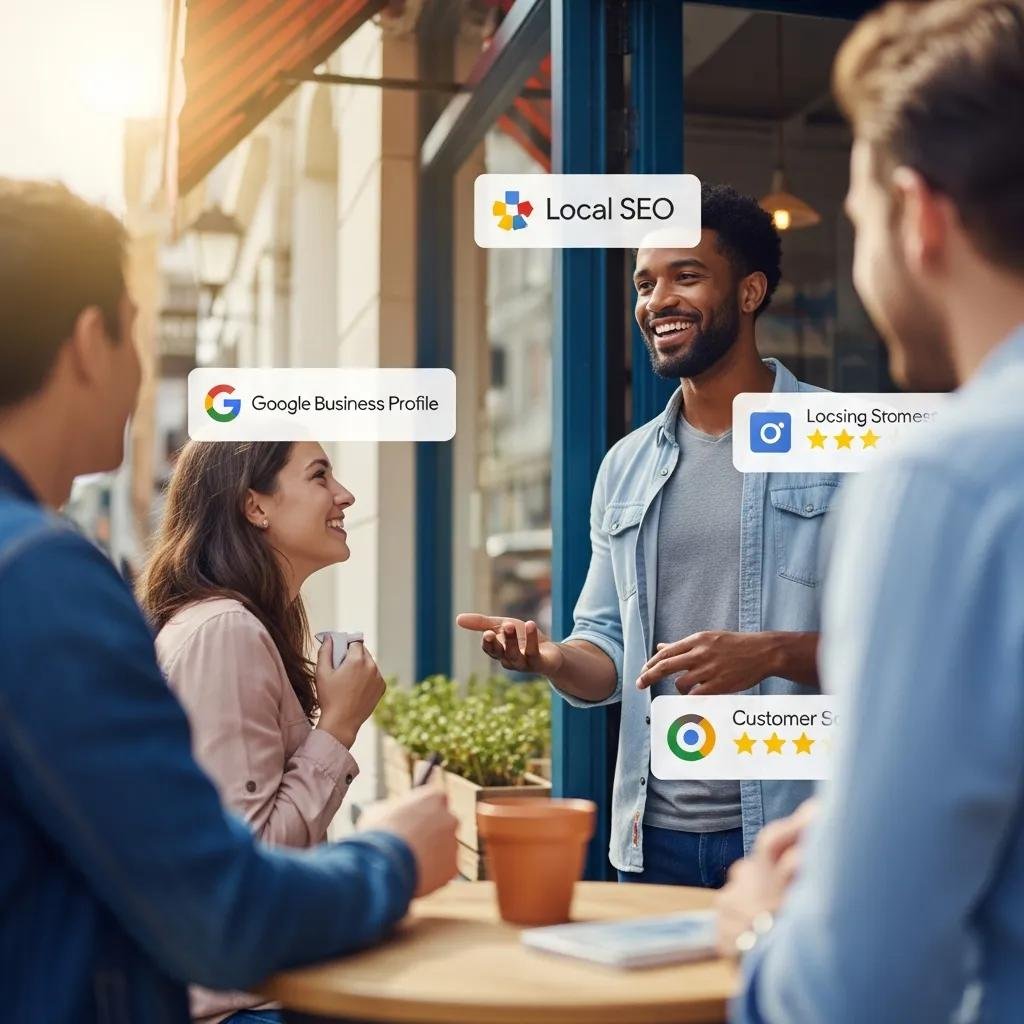
Local seo services in usa target region-specific ranking signals to increase visibility in maps, local packs, and geographically relevant queries that drive nearby customer actions. These services include Google Business Profile optimization, citation management and NAP consistency, localized content and landing pages, review acquisition strategies, and on-location schema markup to improve discoverability. Local SEO emphasizes fast-win primitives—complete profiles, accurate citations, and review velocity—that lift visibility quickly while content and links build sustained authority. The table below lays out local tasks, key actions, and expected short-term benefits so you can prioritize the highest-impact local activities for your region.
| Local Service | Key Actions | Expected Short-term Benefit |
|---|---|---|
| Google Business Profile | Complete fields, categories, regular posts, photo updates | Increased map visibility and clicks within weeks |
| Local Citations | Consistent NAP across directories and niche listings | Improved trust and local ranking signals |
| Review Management | Soliciting reviews, responding to feedback, remediation | Higher average rating and conversion lift |
| Localized Content | Region-specific landing pages and FAQs | Better relevance for geo-modified queries |
This table clarifies how localized tasks translate into measurable improvements in search visibility and customer actions. With those tasks in mind, implement GBP and citation hygiene first to capture immediate gains while building content and reputation for sustained impact.
How Does Local SEO Optimize Google Business Profiles and Maps Visibility?
Optimizing Google Business Profile (GBP) and Maps visibility starts with completing every relevant GBP field, selecting accurate categories, and maintaining consistent contact information across sites and citations. High-quality photos, regular posts, and frequent Q&A engagement signal activity and relevance to Google, while clearly defined service areas and correctly formatted NAP help match queries to your location. Maps ranking also considers proximity, relevance, and prominence — measured by local citations, review volume, and link signals — so citation hygiene and targeted local link building are essential complements. Track GBP metrics such as searches, views, and actions to measure local traction, and prioritize adjustments that increase click-to-call, directions, and booking actions. These steps form a repeatable process that boosts map visibility and local conversions.
What Are Effective Local Citation and Reputation Management Strategies?
Effective local citation and reputation management combine consistent directory listings with ethical review acquisition and timely response workflows to build trust and local authority. Start by auditing current citations for NAP inconsistencies, correct them, and prioritize high-authority industry and local directories for new listings. Implement an ethical review solicitation process—asking satisfied customers via email or receipts—and ensure staff are trained to request reviews at the right moment for higher conversion. Monitor reviews with alerts to respond quickly, address negative feedback with remediation steps, and showcase positive testimonials within local pages to reinforce social proof. Metrics to track include number of new citations, average rating, review velocity, and conversion lift from GBP actions to continually refine the program.
What Are the Latest SEO Trends and Technologies Impacting USA SEO Services?
The USA SEO landscape in 2024 is shaped by AI-assisted workflows, increasing emphasis on E-E-A-T, Core Web Vitals as ranking signals, and the rise of AI-overviews (AIOs) and zero-click result formats that change how content must be structured and validated. AI tools accelerate research, draft generation, and automation in reporting, but preserving originality and expert verification remains critical to avoid thin or inaccurate content. Structured data and knowledge graph optimization help content surface in AIOs and voice search results, while improving user experience and mobile performance remains a decisive ranking factor. Understanding these trends allows practitioners to adapt tactics and tooling so content remains discoverable across both traditional search and AI-driven interfaces.
- AI-assisted content and automation: speeds research and production with human oversight.
- E-E-A-T focus: experience and authority signals are vital for trust and rankings.
- Core Web Vitals & mobile UX: performance metrics directly affect visibility and CTR.
These trends require tactical responses that balance automation with rigorous editorial review and technical performance optimization, which the next subsections examine in more detail.
How Is AI Transforming SEO Strategies and Service Delivery in the USA?
AI is transforming seo strategies in usa by automating repetitive analysis, surfacing keyword and topic opportunities, and creating first-draft content that specialists then refine for expertise and accuracy. Practical AI-assisted workflows pair automated research and outline generation with human-led fact-checking, authorship attribution, and editorial polishing to preserve E-E-A-T signals while accelerating throughput. Automation is also enhancing monitoring: anomaly detection, rank tracking, and A/B content experiments can run continuously to inform rapid iterations. However, practitioners must mitigate risks—hallucinations, factual errors, and thinness—by incorporating review gates, source citations, and domain experts into the content pipeline. This balanced approach leverages AI efficiency while maintaining the trust signals that U.S. search ecosystems reward.
Why Is E-E-A-T and Content Quality Critical for SEO Success in 2025 and Beyond?
E-E-A-T (Experience, Expertise, Authoritativeness, Trustworthiness) is critical because search engines increasingly evaluate content beyond keywords, measuring demonstrable expertise, transparent authorship, and reliable sourcing to rank content for high-stakes queries. Demonstrating E-E-A-T involves author bylines with credentials, first-hand experience statements, citations to reputable sources, and clear editorial standards that validate claims. For businesses, publishing content with documented expertise—case studies, procedural detail, or industry references—improves trust and reduces churn from factual errors. Practically, include author bios, references, and documented methodologies in content and maintain a robust linking and citation strategy to support claims. Prioritizing content quality and E-E-A-T helps pages perform better in algorithmic assessments and enhances conversion because users trust and engage with credible content.
How Can Case Studies and Client Success Stories Demonstrate SEO ROI in USA?
Case studies and client success stories demonstrate seo roi in usa by linking specific interventions to measurable outcomes—traffic growth, conversion lift, and revenue impact—using clear timelines and attribution methods. A well-structured case study presents the challenge, approach, execution, and quantified results with timelines and metrics, enabling stakeholders to assess relevance and predictability of outcomes. Use KPIs such as organic sessions, keyword rankings, conversion rate, and revenue per visitor to paint a complete picture and include third-party verification where possible for credibility. Presenting results with transparent attribution (pre/post comparisons, seasonality controls) makes ROI calculations defensible and helps procurement teams justify ongoing SEO investment. The following subsection provides example result ranges and realistic expectations for timeframe and impact.
| Case Study Metric | Description | Typical Outcome Range |
|---|---|---|
| Organic Traffic Growth | Measured sessions year-over-year | 20–150% increase over 6–12 months depending on baseline |
| Conversion Lift | Change in goal conversion rate post-SEO | 5–40% improvement with CRO and content alignment |
| Revenue Attribution | Incremental revenue from organic channels | Varies; often material for high-intent queries within 6–12 months |
What Measurable Results Have USA Businesses Achieved Through SEO Services?
Measured results from SEO engagements vary widely by industry, baseline, and investment, but common outcomes include substantial organic traffic growth, improved rankings for commercial keywords, and conversion rate improvements tied to content and UX changes. In low-competition local niches, businesses often see meaningful lead increases within 2–4 months after GBP and citation corrections, whereas national-level content programs typically require 4–12 months to demonstrate large-scale gains. Conversion optimization paired with targeted content can deliver double-digit percentage lifts in conversion rate, increasing the revenue value of each visitor. When presenting outcomes, include baseline metrics, timeframes, and external factors such as seasonality to provide accurate attribution and set realistic client expectations.
How Do Client Testimonials and Reviews Influence Choosing an SEO Agency?
Client testimonials and reviews influence selection by signaling past performance, credibility, and the agency’s ability to deliver on promises, but their value depends on specificity, metrics cited, and third-party validation. Credible testimonials include concrete KPIs (traffic percentages, revenue figures, timelines), a description of the challenge, and ideally independent verification via case study or third-party review platforms. Use this checklist when assessing testimonials: look for measurable outcomes, detailed methodology, relevant industry context, and corroborating data. Aggregated ratings provide quick signals of reliability, but detailed case studies with transparent metrics offer better predictive power for expected ROI and fit. Evaluating testimonials with these criteria reduces procurement risk and helps choose a partner likely to meet your objectives.
- Check for specific metrics and timelines: vague praise is less useful than quantified outcomes.
- Look for industry relevance: similar verticals increase predictability.
- Seek independent verification: third-party reviews and documented case studies add credibility.
These practices ensure testimonial-driven decisions are based on measurable evidence rather than marketing rhetoric, helping you select an SEO partner aligned with growth objectives.